3 Steps to Protect Yourself When Buying Used Car (Without Breaking the Bank)
Disclosure: This guide is published by VinPassed, a vehicle intelligence service. While we mention our platform, this advice applies regardless of which report service you choose. We've included recommendations for multiple report providers and independent verification methods throughout this guide.
Last year, Sarah spent $8,000 on a "clean" used Honda from a reputable dealer. The Carfax report showed no accidents. Three months later, a $4,500 transmission failure revealed the car had been in a flood—the dealer knew, but the damage had never been reported. The $200 pre-purchase inspection she skipped would have caught the water damage signs immediately.
Every year, thousands of car buyers get burned by hidden problems that cost thousands in repairs. The traditional advice to "get every car inspected" can cost $200+ per vehicle, making it financially impossible when shopping multiple cars. Here's a smarter, budget-conscious approach that helps you protect yourself When Buying Used car without breaking the bank on endless inspections.

Table of Contents
- Why Traditional Car Buying Advice Fails
- The Three-Step Protection System
- Step 1: Screen with Vehicle History Reports
- Step 2: Master Self-Inspection Techniques
- Step 3: Strategic Professional Inspections
- What If Scenarios & Common Objections
- Why Combining Methods Works
- Your Complete Protection Strategy
- Frequently Asked Questions
Why Traditional Car Buying Advice Fails Real Buyers
Most car buying guides assume you have unlimited time and budget. They recommend getting professional inspections on every vehicle you consider, which sounds great in theory but breaks down in practice. The Federal Trade Commission acknowledges that while professional inspections are ideal, the economics often make them impractical for screening multiple vehicles.
The Economic Reality:
- Professional inspections cost $150-300 per vehicle according to AAA automotive experts
- Serious car shoppers typically look at 5-10 vehicles
- Total inspection costs: $750-3,000 before buying anything
- Many problems can be caught earlier and cheaper
The Hidden Cost: Beyond money, inspecting every car requires scheduling, travel time, and coordination with sellers who may refuse inspection requests. This approach eliminates most private party deals and creates unnecessary friction.
Smart buyers need a strategic system that helps them protect yourself When Buying Used car while managing costs effectively. Here's that system.
The Three-Step Protection System That Actually Works
Instead of expensive inspections on every vehicle, Consumer Reports automotive experts and J.D. Power research support this progressive approach to eliminate problem cars early and focus professional attention where it matters most:
Step 1: Screen with Reports (Eliminate Bad Cars Remotely)
Use vehicle history reports to identify major red flags before you travel to see cars. Cost: $5-75 for multiple vehicles.
Step 2: Self-Inspection (Catch Obvious Issues for Free)
Learn key inspection techniques to spot paint work, leaks, and mechanical issues during your visit. Cost: Free, saves major headaches.
Step 3: Professional Inspection (Strategic Investment)
Get professional inspection only on vehicles that pass Steps 1 and 2, with specific focus areas based on your findings. Cost: $150-300 per final candidate.
The Economics: This system typically reduces inspection costs by more than half while catching more problems than any single method alone. You might inspect 2-3 cars instead of 10, but they'll be much better candidates.
Step 1: Screen with Vehicle History Reports
Vehicle history reports help you protect yourself When Buying Used car by revealing hidden problems before you waste time visiting bad vehicles. The Federal Trade Commission strongly recommends using vehicle history reports as your first line of defense against fraud and hidden damage.
Understanding the Report Landscape
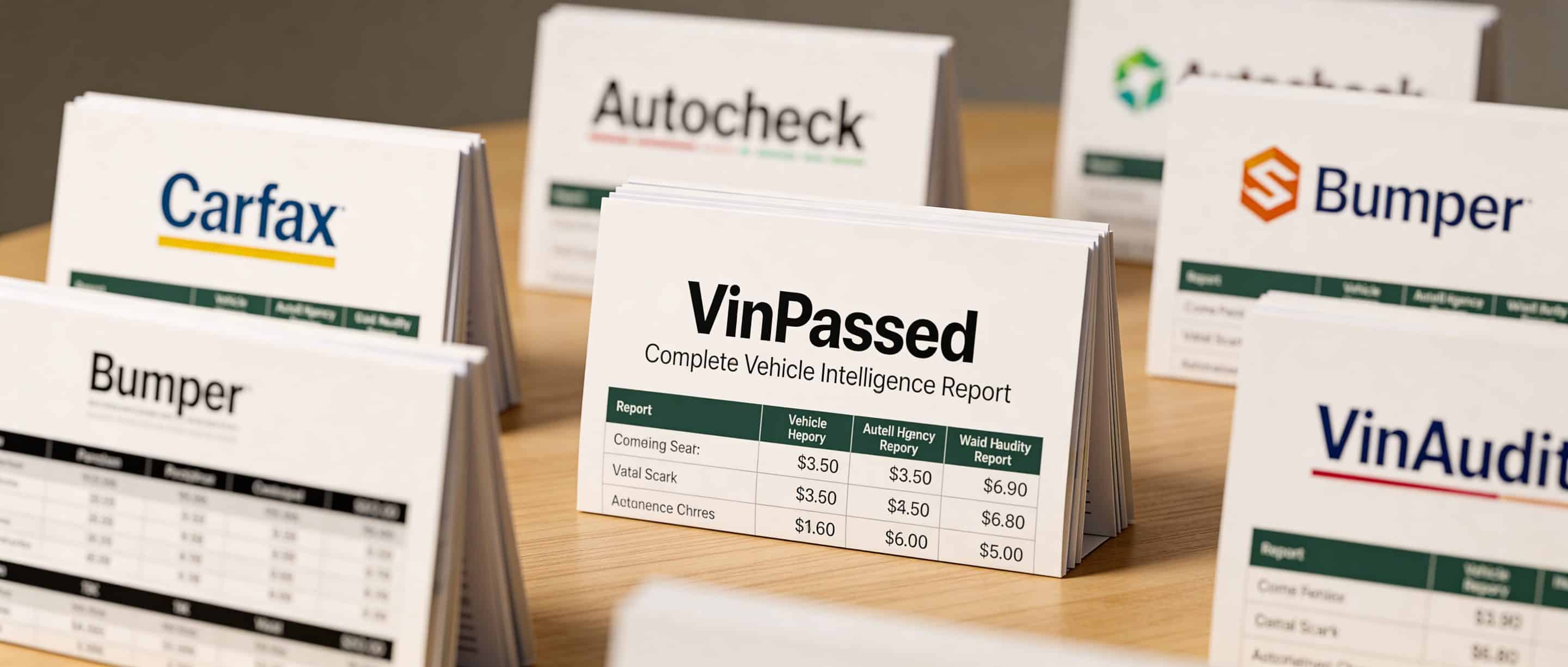
Reports range from free basic data to comprehensive paid analysis. Each serves different purposes in your used car protection strategy:
Free Options (Start Here)
- NHTSA Data: Free recalls, safety ratings, and basic specifications from the National Highway Traffic Safety Administration
- Manufacturer Websites: Warranty status and service bulletins
- Insurance Databases: Some insurers provide basic theft/total loss data
Budget Reports ($5-15)
- NMVTIS Providers: Basic title, brand, and odometer data from the National Motor Vehicle Title Information System
- Regional Services: State-specific title and lien information
- Auction Access: Some services provide limited auction history
Pro Tip: Budget reports often miss recent accidents and may have incomplete data, but they catch major title issues like salvage, flood, or lemon designations for a fraction of premium report costs.
Premium Reports ($30-45)
- AutoCheck ($30): Experian-backed with score system
- Carfax ($45): Most comprehensive database, highest recognition
- VinPassed ($30): Includes auction photos, dealer costs, AI analysis, and repair estimates
Why Multiple Sources Matter
No single database captures everything. Consumer Reports recommends checking multiple sources:
- NMVTIS: Federal database for title history
- State DMV records: Local title and registration data
- Insurance databases: Claim and total loss records
- Commercial services: Carfax, AutoCheck, VinPassed combine multiple sources and use AI to analyze patterns
Premium services automatically cross-reference these databases, but you can also check NMVTIS directly for basic verification.
| Report Type | Price Range | Best For | Limitations |
|---|---|---|---|
| Free NHTSA | $0 | Basic screening, recalls | No accident/title history |
| NMVTIS Basic | $5-15 | Title problems, odometer issues | Limited recent data |
| AutoCheck | $30 | Score-based risk assessment | Less detailed than Carfax |
| Carfax | $45 | Most comprehensive database | Expensive, limited analysis |
| VinPassed | $30 | Auction photos, dealer costs, AI | Newer service, smaller database |
Essential Procedural Checks
Beyond history reports, Consumer Reports and FTC guidelines emphasize these critical steps:
- Verify VIN matches: Check VIN on dashboard, door frame, title, and registration
- Title verification: Ensure seller's name matches title, check for liens
- Recall verification: Check NHTSA.gov/recalls for open safety recalls
- Curbstoning detection: Watch for multiple cars at one location, evasive answers about ownership history, or sellers meeting only in public places. Unlicensed dealers posing as individuals are illegal and avoid consumer protection laws
- Meeting safety: Meet in public, well-lit areas for your safety
The Economics of Bulk Report Buying
Serious car shoppers save significantly with bulk report packages, a strategy recommended by Edmunds automotive experts for buyers considering multiple vehicles:
Cost Comparison: Reports vs. Inspections
Traditional Approach (Inspect Everything):
- 5 professional inspections × $200 = $1,000
- Travel time and coordination for each inspection
- Many sellers refuse inspection requests
Smart Approach (Strategic Reports):
- AutoCheck: 5 reports for $50 (21-day limit)
- VinPassed: 5 reports for $75 (no expiration)
- Eliminate 3-4 bad cars remotely
- Professional inspection on 1-2 final candidates: $200-400
- Total cost: $275-475 vs. $1,000+
How to Use Reports Strategically
Don't just read reports—use them to guide your entire used car protection strategy:
Red Flags That Eliminate Cars Immediately
- Salvage/Flood/Lemon titles: Walk away unless price reflects damage. Note that lemon law protections vary by state, but premium reports like VinPassed, Carfax, and AutoCheck flag these title brands nationally, helping you avoid vehicles that may qualify for consumer protection remedies
- Multiple accidents: Pattern indicates problem-prone vehicle
- Odometer discrepancies: Potential fraud or tampering
- Frequent ownership changes: May indicate hidden problems
- Commercial/fleet use: Higher wear than typical private ownership
Yellow Flags That Require Investigation
- Single accident: Focus self-inspection on affected areas
- Minor damage reports: Look for repair quality during inspection
- Service gaps: Check for deferred maintenance issues
- Auction history: Understand why car went to auction
Report Strategy: Use reports to eliminate obviously bad cars and create an inspection focus list for promising vehicles. A clean report doesn't guarantee a perfect car, but a problematic report usually indicates a car to avoid.
Step 2: Master Self-Inspection Techniques
Self-inspection is your most cost-effective tool to protect yourself When Buying Used car. These techniques catch problems that reports miss and help you avoid expensive mistakes.
Paint and Body Work Detection
Learning to spot previous paint work reveals accident history that might not appear in reports. Here's how to identify repainted panels:
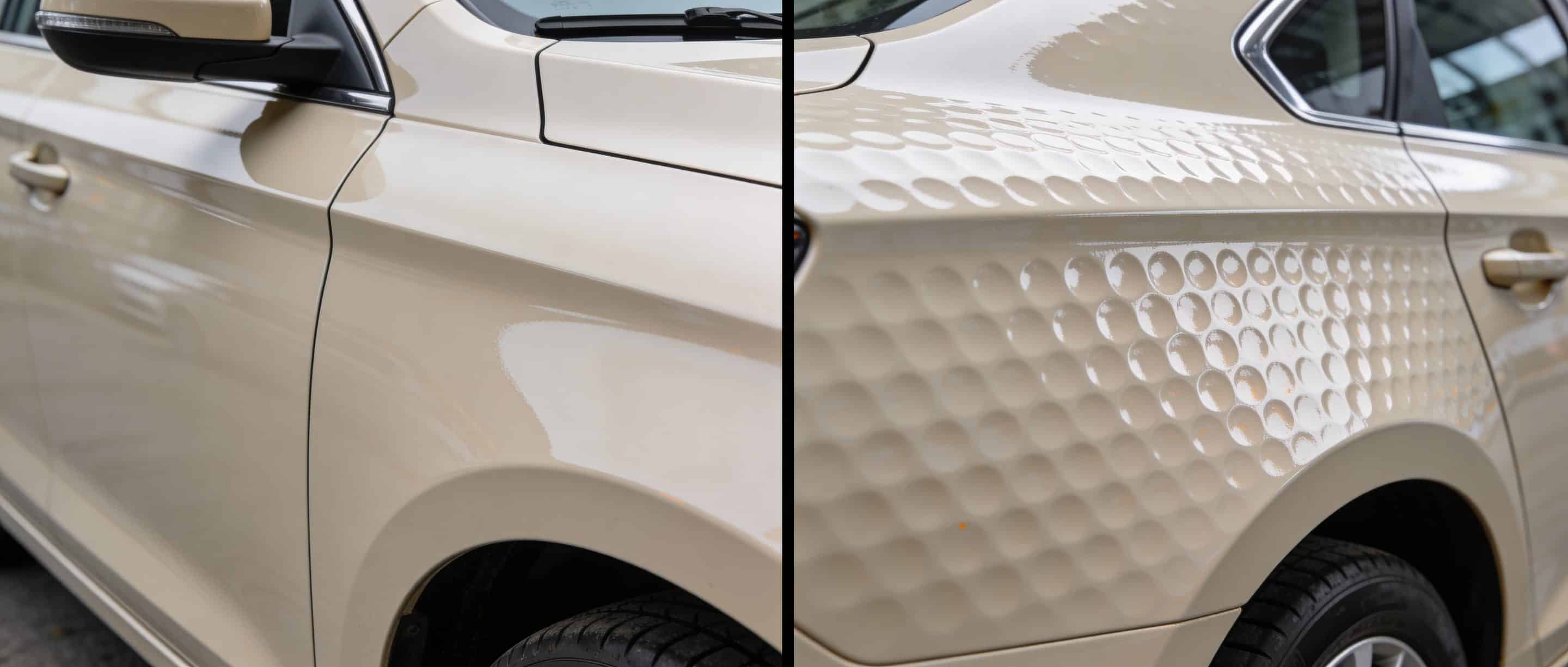
Orange Peel Texture Analysis
Factory paint cures perfectly smooth in controlled environments, while aftermarket paint often shows orange peel texture due to less controlled shop conditions.
- Visual inspection: Compare texture panel-to-panel under good lighting
- Feel test: Run your hand over surfaces—factory paint feels uniform, repaints feel gritty or inconsistent
- Light reflection: Use sunlight or flashlight to reveal texture differences
- Panel comparison: If one panel has orange peel while others are smooth, investigate why it was painted
Overspray Detection
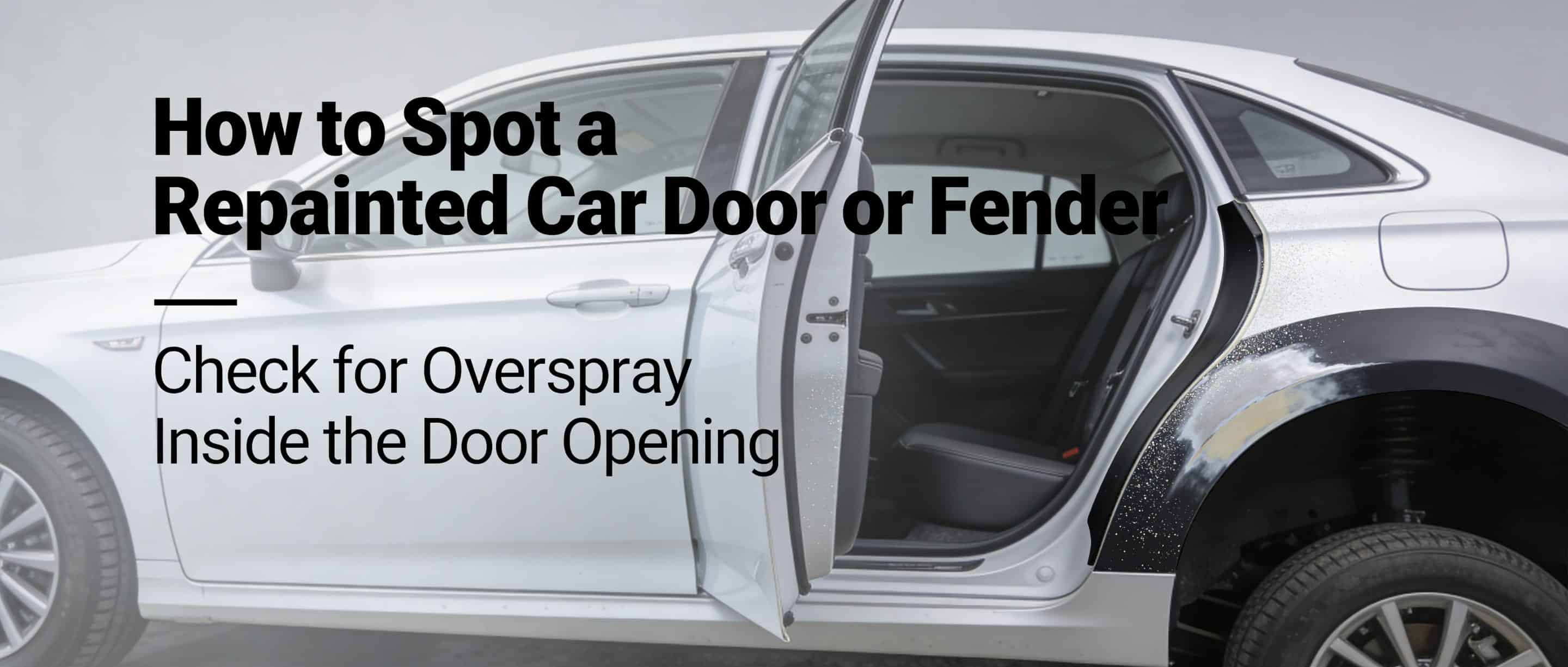
Overspray is one of the strongest indicators of bodywork, as factory paint never gets on areas that weren't meant to be painted.
- Door jambs and trunk openings: Check inside edges where doors close
- Rubber seals and weatherstripping: Look for paint specks or gritty texture
- Trim pieces and emblems: Factory paint rarely gets on these components
- Engine bay and wheel wells: Check for unwanted paint dots on metal components
- Feel test: Run fingers over edges—overspray feels like fine sandpaper
The Door Edge Detection Technique
Have you ever tried to spray paint something around a corner? What happened? Did the paint get too thick right on the corner and drip? Professional painters face the same challenge when painting door panels after body work.
When the exterior door panel (called the "skin") is replaced or repainted after an accident, painters must work around the edge where the exterior panel bends and clamps onto the interior door frame. This creates two telltale signs:
- Overspray on interior door surfaces: Paint mist settles on inside door areas
- Thickness variations along the edge: Paint drips, unevenness, or texture changes
Try This Technique: Run your fingers slowly along the edge where the door panel wraps around. You'll feel bumps, thickness changes, or rough spots from paint drips and uneven coverage. This works even without a paint meter—professionals use this method regularly.
Important: Finding paint work doesn't automatically disqualify a car, but it's a flag to investigate further. Cross-reference with your vehicle history report—paint work plus accident history may indicate more significant damage than reported.
Fluid Leak Detection
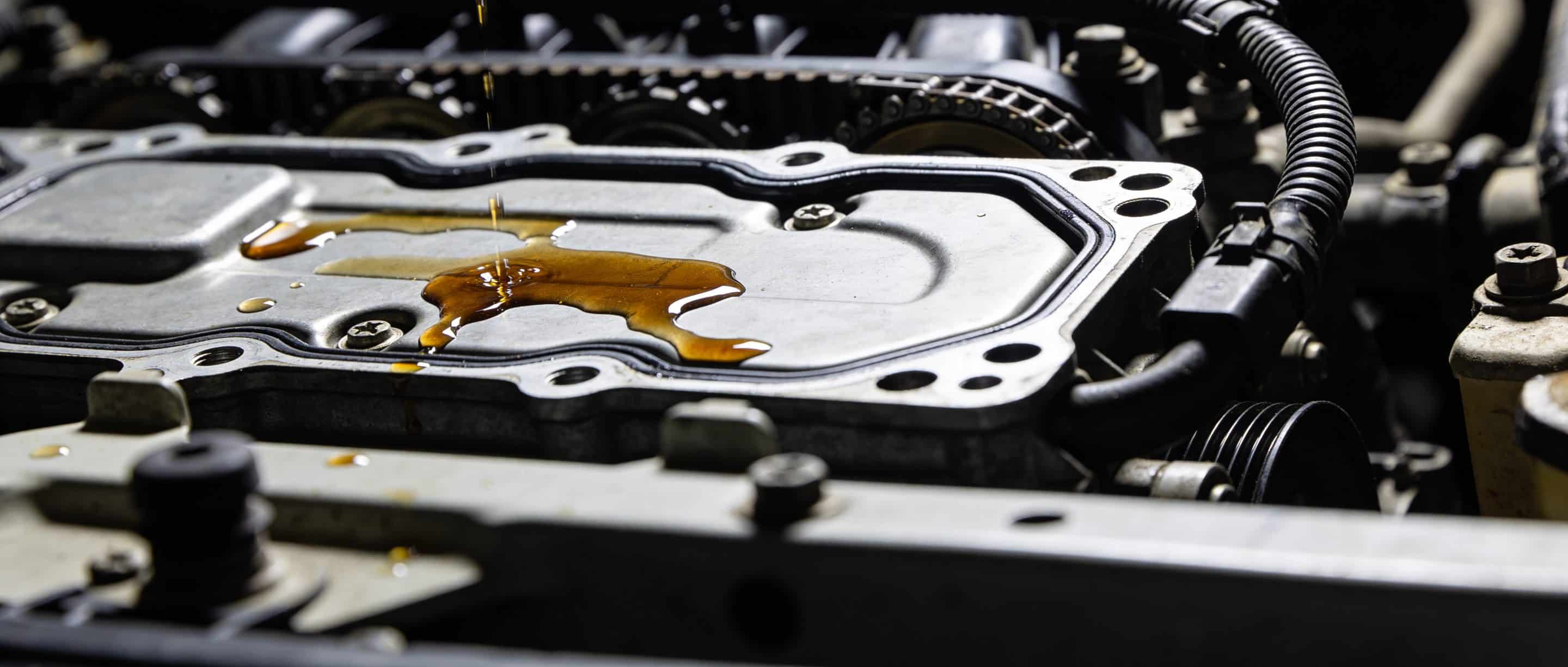
Engine and transmission leaks are among the most expensive problems in used cars, with average repair costs ranging from $500-3,000 according to RepairPal automotive cost data. Learning to identify them early helps you protect yourself When Buying Used car from costly surprises.
Key Areas to Inspect
- Engine gaskets: Valve cover, oil pan, head gasket areas
- Transmission seals: Around transmission pan and axle connections
- Power steering: Rack and pinion, pump, and hose connections
- Brake system: Master cylinder, brake lines, and calipers
- CV joints: Look for grease leakage around wheel areas
Fluid Identification Guide
| Fluid Type | Color | Consistency | Typical Location |
|---|---|---|---|
| Engine Oil | Dark brown to black | Viscous | Under engine, oil pan area |
| Coolant | Green, orange, or pink | Thin, sweet smell | Radiator, water pump area |
| Transmission | Bright red to dark brown | Oily | Under transmission |
| Power Steering | Reddish | Oily | Front of engine, steering rack |
| Brake Fluid | Clear to amber | Slippery feel | Near wheels, master cylinder |
Leak Detection Technique
- Ground inspection: Check where the car was parked for fluid spots
- Flashlight method: Use light to spot wet areas and residue buildup
- Progressive signs: Look for seepage → dampness → active dripping → pooling
- Residue patterns: Old leaks collect dirt and grime around leak points
Advanced Tip: Bring a $20 Bluetooth OBD-II scanner to check for recently cleared error codes. Sellers sometimes clear "check engine" lights right before showings to hide problems.
Red Flags: Multiple leak sources indicate poor maintenance. Large puddles under the car or evidence of recent steam cleaning to hide leaks should make you walk away immediately.
Comprehensive Road Test
A proper road test reveals mechanical issues that visual inspection misses. Edmunds automotive experts recommend following this systematic approach:
Engine and Transmission Evaluation
- Cold start: Engine should start easily without excessive cranking
- Idle quality: Smooth idle without rough running or stalling
- Acceleration: Responsive power without hesitation or knocking
- Transmission shifts: Smooth shifts without slipping or harsh engagement
- Temperature gauge: Should reach normal operating temperature and stay stable
Steering and Suspension Check
- Steering response: Car should track straight without constant correction
- Turning: No grinding, clicking, or binding in turns
- Braking: Smooth stops without pulling, grinding, or vibration
- Ride quality: No excessive bouncing, harsh impacts, or noise over bumps
Electrical and Climate Systems
- All lights: Headlights, taillights, turn signals, brake lights
- Climate control: Heating, air conditioning, fan speeds
- Electronics: Radio, navigation, power accessories
- Warning lights: Should turn off after startup (except normal indicators)
Pro Tip: Bring a friend for the road test. One person drives while the other listens for unusual sounds and observes gauge behavior. Many problems are easier to catch with two sets of senses.
Step 3: Strategic Professional Inspections
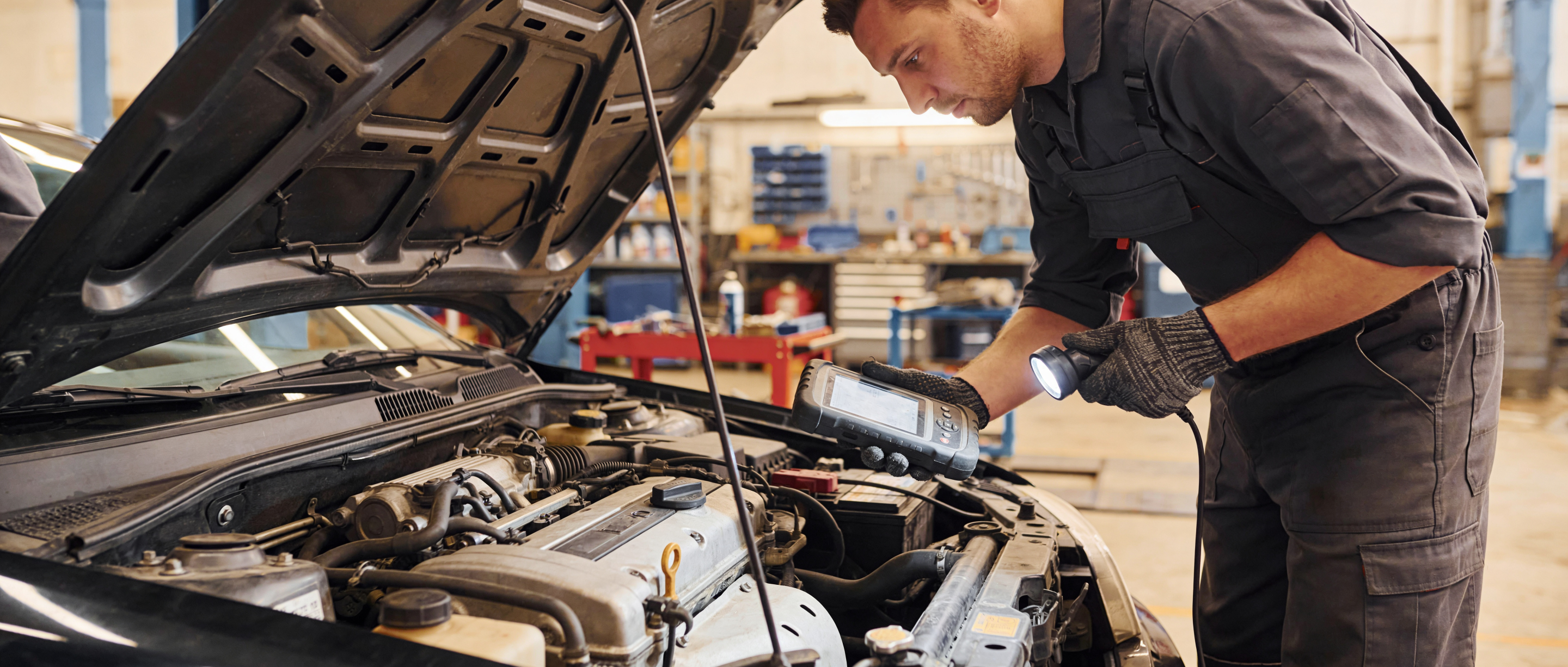
Professional inspections are most valuable when used strategically on vehicles that have passed your initial screening. Consumer Reports emphasizes that while professional inspections are worth the $150-300 cost, they're most effective when focused on vehicles you're seriously considering purchasing.
When Professional Inspection Is Worth the Cost
Don't inspect every car—focus professional attention where it provides the most value:
Ideal Candidates for Professional Inspection
- Clean report + good self-inspection: Vehicle appears solid but you want confirmation
- High-value purchase: Cars over $15,000 where inspection cost is small percentage
- Complex vehicles: Luxury cars, hybrids, or vehicles with known expensive repair issues
- Out-of-warranty vehicles: Where major repair costs would fall on you
- Final candidate: You're ready to buy if inspection comes back clean
When to Skip Professional Inspection
- Budget vehicles: Cars under $5,000 where inspection costs 5-10% of purchase price
- Multiple red flags: If reports and self-inspection reveal significant issues
- Seller won't allow inspection: Major red flag—walk away
- You're not serious: Still shopping multiple vehicles without clear preference
Choosing the Right Inspector
Critical Rule: Never accept inspections performed by the seller, dealership, or anyone with financial interest in the sale. Always arrange your own independent inspection, as recommended by FTC guidelines.
Finding Quality Inspectors
- ASE-certified mechanics: Look for technicians with relevant certifications from the National Institute for Automotive Service Excellence
- AAA-approved shops: AAA maintains a directory of pre-screened, approved repair facilities that meet their service and reliability standards
- Specialty shops: Choose shops familiar with your vehicle's make/model
- Mobile inspection services: Convenient but verify credentials carefully
- Franchise shops: Often have standardized inspection procedures
Questions to Ask Potential Inspectors
- "Do you have experience with this make/model?"
- "What does your inspection include?"
- "Do you provide a written report?"
- "Can you estimate repair costs for issues found?"
- "What's your policy if you miss something significant?"
Directing the Inspection for Maximum Value
Use your report findings and self-inspection results to focus the mechanic's attention on specific areas:
Based on Vehicle History Report
- Accident history: "Please pay special attention to the front end—report shows prior collision damage"
- Flood damage: "Check for water damage signs in electrical systems and interior"
- Multiple owners: "Look for signs of deferred maintenance or abuse"
Based on Self-Inspection Findings
- Paint work discovered: "I found evidence of bodywork on the driver's side—please check frame alignment"
- Minor leaks found: "There's slight seepage around the valve cover—how serious is this?"
- Unusual sounds: "I heard a clicking noise when turning—can you identify the source?"
Standard Areas to Always Check
- Engine compression: Expensive to fix, hard to detect without tools
- Transmission operation: Internal condition difficult to assess visually
- Brake system condition: Safety-critical, expensive to replace
- Suspension components: Wear patterns indicate alignment or damage issues
- Exhaust system: Environmental compliance and repair costs
Understanding Inspection Results
Professional inspections should provide actionable information, not just pass/fail ratings:
What Good Inspection Reports Include
- Specific findings: Detailed descriptions of problems found
- Repair cost estimates: Approximate costs for needed work
- Urgency levels: Immediate safety issues vs. future maintenance needs
- Photos when possible: Visual documentation of problems
- Overall assessment: Mechanic's professional opinion on purchase decision
Using Inspection Results for Negotiation
Professional inspection findings give you concrete leverage for price negotiations. Here are proven scripts that work:
Negotiation Templates That Work
For Maintenance Issues:
"The inspection found $1,200 in deferred maintenance—brake pads, timing belt, and transmission service. I'm still interested at $13,800 instead of $15,000. Can we make that work?"
For Future Concerns:
"The mechanic flagged the transmission as showing early wear signs. I'll buy it today for $14,000 cash, or I need to keep looking for a car without that risk."
For Safety Issues:
"The brakes need immediate attention before this car is safe to drive. Either you fix that before purchase, or we adjust the price by $800 to cover the repair."
For Multiple Small Issues:
"The inspection found several small items totaling about $600 in repairs. How about we split the difference—I'll pay $14,700 instead of $15,000?"
When to Walk Away vs. Negotiate
- Safety issues: Require immediate repair or walk away
- Maintenance items: Use repair costs to negotiate purchase price using Kelley Blue Book or Edmunds pricing guidance
- Future concerns: Factor into total ownership cost analysis
- Deal breakers: Major engine/transmission problems usually mean walking away
Professional Inspection Cost vs. Value
Inspection Investment: $150-300
Potential Savings:
- Catching a $3,000 transmission problem before purchase
- Identifying $1,500 in deferred maintenance for price negotiation
- Avoiding a $5,000 engine rebuild six months later
- Peace of mind worth thousands in reduced buyer anxiety
Return on Investment: Often 10:1 or higher when major problems are caught
What If Scenarios & Common Objections
Real car buying involves complications and objections. Here's how to handle the most common situations:
Seller Objections and Responses
"What if the seller won't allow an inspection?"
Response: Walk away immediately. Legitimate sellers expect inspections and have nothing to hide. In 15+ years of car buying, honest sellers never refuse reasonable inspection requests. This is always a red flag indicating hidden problems.
"What if I'm buying from a distance?"
Response: Use mobile inspection services that come to the vehicle. Services like LemonSquad, AutoCheck Mobile, or local mobile mechanics cost $250-400 but are essential for remote purchases. Never buy sight unseen without professional inspection.
"What if two mechanics give conflicting inspection results?"
Response: Get a third opinion from a different shop, preferably one specializing in that vehicle's make. If you still get conflicting assessments, walk away—disagreement usually indicates complex or borderline problems that could become expensive.
"What if the dealer says 'someone else is coming to look at it today'?"
Response: This is a classic pressure tactic. If it's the right car, it will wait for proper inspection. If they won't wait, let the other buyer have it—there are always other cars. Rushed decisions lead to expensive mistakes.
Technical Complications
"What if the vehicle history report shows conflicting information?"
Response: Cross-reference with the NMVTIS database and request documentation from the seller. When in doubt, assume the worst-case scenario and adjust your offer accordingly or walk away.
"What if I can't afford reports on every car I'm considering?"
Response: Start with free NHTSA recalls and basic VIN decoding to eliminate obvious problems. Then use bulk report packages (5 for $50-75) only on cars that pass initial screening. This is much cheaper than individual reports on every vehicle.
"What if the car has a clean report but obvious problems during self-inspection?"
Response: Trust your eyes and hands over paperwork. Reports miss unreported accidents and current mechanical issues. If you find paint work, leaks, or mechanical problems during inspection, investigate further or walk away regardless of what the report says.
Financial and Timing Issues
"What if my financing falls through after the inspection?"
Response: Never pay for inspection without confirmed financing in place. Get pre-approved before car shopping, and include financing contingency in any purchase agreement. This protects your inspection investment.
"What if I've already fallen in love with the car?"
Response: Emotional attachment is the enemy of smart buying. There are always other cars. If this one has problems, factor repair costs into total ownership expense. Sometimes walking away is the smartest financial decision, even on cars you love.
Golden Rule: When in doubt, don't buy. The used car market always has more inventory. It's better to keep looking than to get stuck with expensive problems that could have been avoided.
Why Combining Methods Works Better Than Any Single Approach
Each protection method has limitations, but combining vehicle history reports, self-inspection, and professional evaluation creates a comprehensive system to protect yourself When Buying Used car. J.D. Power research shows that buyers who use multiple verification methods report significantly higher satisfaction with their used car purchases.
Individual Method Limitations
Vehicle History Reports Alone
- Miss unreported accidents: Not all damage gets reported to databases
- Limited mechanical insight: Don't reveal engine, transmission, or electrical problems
- Database gaps: Some regions or time periods have incomplete reporting
- Current condition unknown: Report shows history but not present state
Self-Inspection Alone
- Skill limitations: Most buyers can't assess complex mechanical systems
- Hidden problems: Many issues aren't visible during brief inspections
- No tools: Can't perform compression tests, scan for codes, or measure wear
- Seller manipulation: Fresh fluids and detailing can hide problems
Professional Inspection Alone
- Expensive for screening: Too costly to inspect every potential vehicle
- Time constraints: Most inspections are brief due to cost considerations
- Unknown history: Mechanic doesn't know what to focus on without background
- Access issues: Many sellers won't allow inspections
The Synergy of Combined Methods
Strategic Integration: Each method compensates for the others' weaknesses while amplifying their strengths. Reports guide inspection focus, self-inspection catches obvious issues, and professional evaluation confirms complex problems.
How Methods Complement Each Other
- Reports inform inspection: History guides where to look for problems
- Self-inspection directs professionals: Found issues focus mechanic attention
- Professional confirms findings: Expert validation of concerns discovered earlier
- Economic efficiency: Eliminate bad cars early, inspect only good candidates
Real-World Example: Combined Method Success
Case Study: A buyer shopping for a $15,000 sedan used this system:
- Step 1: $75 for 5 VinPassed reports eliminated 3 cars with accident/flood history
- Step 2: Self-inspection found paint work on one car, minor leak on another
- Step 3: $200 professional inspection confirmed one car had significant problems, cleared the other for purchase
- Result: $275 investment prevented buying a car with $4,000 in hidden damage
This systematic approach helps you protect yourself When Buying Used car while keeping costs reasonable and maximizing your chances of finding a reliable vehicle.
Your Complete Protection Strategy
Protecting yourself When Buying Used car doesn't require unlimited budget or extensive automotive knowledge. It requires a strategic approach that uses the right tools at the right time, as endorsed by AAA automotive experts and consumer protection agencies.
The Three-Step System Summary
- Screen with Reports: Eliminate problematic vehicles remotely using vehicle history data
- Master Self-Inspection: Learn key techniques to spot paint work, leaks, and mechanical issues
- Strategic Professional Inspection: Focus expert attention on vehicles worth buying
Key Economic Benefits
- Cost reduction: Typically more than 50% less than inspecting every vehicle
- Time savings: Eliminate bad cars without traveling to see them
- Better decisions: More information leads to smarter purchases
- Negotiation power: Knowledge of problems provides price leverage
Eliminate Bad Cars in 5 Minutes
Get auction photos and repair estimates that Carfax doesn't show. See what dealers paid at auction + AI-powered damage analysis. No subscription required, reports never expire.
Start Your Protected Car Search - 5 Reports for $75Remember the Golden Rules
- Never skip the system: Each step builds on the previous one
- Don't accept seller inspections: Always arrange your own independent evaluation
- Trust your findings: If multiple methods reveal problems, listen to the data
- Factor total cost: Include potential repairs in your purchase decision
This comprehensive approach gives you the tools and knowledge to protect yourself When Buying Used car without breaking the bank on unnecessary inspections or falling victim to hidden problems that cost thousands later, regardless of which specific services you choose to use. While we've mentioned VinPassed's capabilities, the strategic framework applies whether you use Carfax, AutoCheck, NMVTIS, or other verification methods. For additional guidance, consult resources from the Federal Trade Commission, Consumer Reports, and other trusted automotive authorities.